.svg)
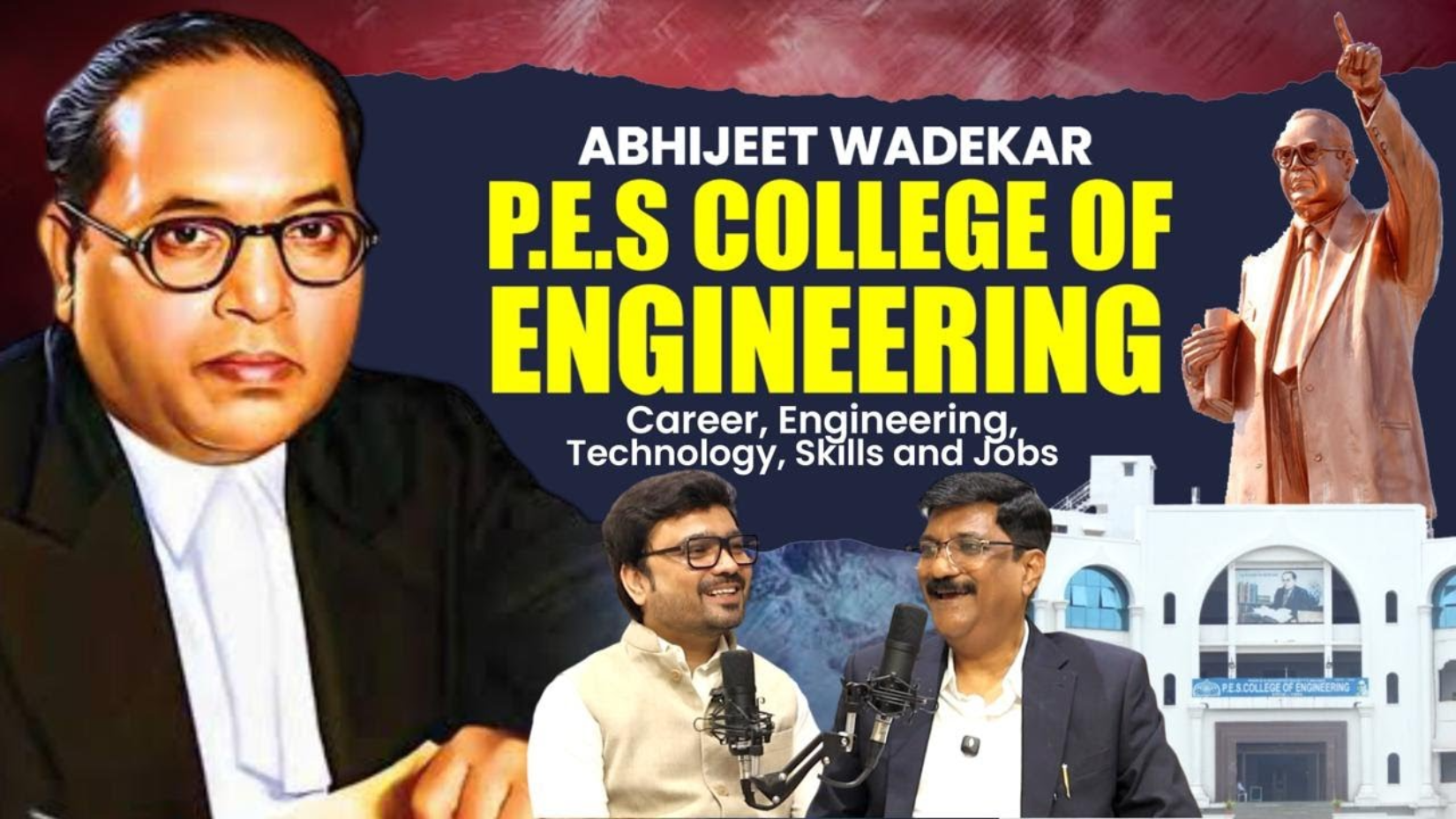
When a principal with 30 years of experience shares insights about what actually makes engineering students employable, every aspiring engineer should listen carefully. This conversation reveals uncomfortable truths about today's education system, student mindsets, and the critical skills gap that prevents graduates from getting jobs—despite having degrees.
The good news? These gaps can be filled through strategic skill development, proper guidance, and commitment to genuine learning. That's exactly what institutions committed to student success focus on: not just degree completion but comprehensive capability building that industry actually demands.
The Hard Truth About Engineering Degrees
Here's what industry insiders know but many students discover too late: engineering degrees alone don't guarantee employment anymore. The diploma hanging on your wall proves you completed a program, but it doesn't prove you can solve real-world problems, work with current technology, or add value to companies from day one.
Industry requirements evolve faster than traditional curricula can adapt. Software that becomes industry-standard this year might not enter college syllabi for another three years. By the time it does, the industry has moved to the next generation of tools. This creates a continuous gap between what colleges teach and what companies need.
The solution isn't abandoning formal engineering education—far from it. Engineering degrees provide crucial foundational knowledge in mathematics, physics, core subjects, and problem-solving approaches. But these foundations must be built upon with current, industry-relevant skills that companies actually use in their daily operations.
This is where strategic skill development programs become game-changers. Students who invest time during their engineering education to learn industry-standard software, obtain relevant certifications, and gain hands-on project experience position themselves far ahead of those who rely solely on degree curricula.
Discover the proven strategies that have transformed thousands of engineering students into successful professionals—and how ABC Trainings brings these same principles to skill development across Pune, Sangli, Latur, and Chh. Sambhajinagar.
ABC Trainings specializes in exactly this gap-filling: providing engineering students across Pune, Sangli, Latur, and Chh. Sambhajinagar with the industry-current skills that transform degree holders into employable professionals.
Understanding What Makes Students Employable
Companies don't hire engineers because they have degrees. They hire employable engineers who demonstrate specific capabilities that enable immediate contribution to projects and teams.
Technical Competency Beyond Basics
Knowing theoretical concepts isn't enough. Can you actually use the software? Can you complete projects independently? Do you understand workflows that industries follow? These practical capabilities matter more than examination scores when recruiters evaluate candidates.
For civil engineering students, this means mastery of software like AutoCAD, Revit, STAAD Pro, and BIM tools. For mechanical engineers, it's CAD/CAM software, simulation tools, and manufacturing software. Electrical engineers need expertise in automation software, PLC programming, and energy management systems. Computer science students require proficiency in current programming languages, frameworks, and development tools.
The pattern is clear: every engineering branch has associated software and tools that professionals use daily. Graduating without proficiency in these tools means you'll need months of on-the-job training that many companies aren't willing to provide.
Communication Skills That Connect
Technical brilliance becomes useless if you cannot communicate effectively. Companies need engineers who can present ideas clearly, write professional emails, participate in team discussions, and interact confidently with clients and stakeholders.
Many technically strong students struggle in interviews not because of knowledge gaps but because they cannot articulate what they know. They cannot explain their projects clearly, struggle with situational questions, and fail to demonstrate the professional communication that workplace environments demand.
Communication skills development should start early and continue throughout engineering education. This includes presentation practice, technical writing, group discussions, and professional conversation skills that enable effective workplace interaction.
Professional Attitude and Work Ethic
Industry representatives consistently report that attitude matters as much as aptitude. Students who demonstrate enthusiasm for learning, willingness to start at entry levels, patience to master skills gradually, and commitment to contributing value get hired faster than those with better grades but poor attitudes.
The apprenticeship rejection phenomenon illustrates this perfectly. Government-mandated apprenticeship programs offer valuable learning opportunities in industry settings with monthly stipends. But many students reject these opportunities focusing only on stipend amounts rather than recognizing them as skill investment that leads to permanent employment.
This impatience for immediate results without putting in required effort creates a generation of unemployed graduates who wonder why they're not getting jobs despite having engineering degrees.
The Skill Development Roadmap That Works
So what should engineering students actually do during their four years to ensure employability? Here's the proven roadmap that works:
Year One: Foundation Building
Focus intensely on core subjects during first year. Mathematics, physics, basic engineering, and programming fundamentals create the foundation everything else builds upon. Weak foundations in first year create struggles throughout remaining years.
Simultaneously, begin exploring the software and tools used in your chosen branch. Watch tutorials, experiment with trial versions, understand what these tools do and why industries use them. This early exposure helps you make informed decisions about which specializations to pursue.
Create your LinkedIn profile during first year itself. Start building your professional presence early rather than scrambling during placement season when everyone else is doing the same thing.
Year Two: Skill Acquisition Begins
Second year is when serious skill development should begin. Enroll in software training programs that teach industry-standard tools for your engineering branch. Don't wait until final year when placement pressure makes focused learning difficult.
ABC Trainings offers comprehensive programs designed specifically for second and third-year engineering students across Pune, Sangli, Latur, and Chh. Sambhajinagar. Our courses teach the exact software and skills that companies look for during campus placements.
Start working on mini-projects that use the software you're learning. These projects become portfolio pieces that demonstrate your capabilities to recruiters far more effectively than examination marks ever can.
Participate in technical competitions, workshops, and seminars. These experiences add valuable credentials to your resume and provide exposure to industry practices and current technologies.
Year Three: Specialization and Certification
Third year is for specialization. By now you understand which specific areas within your branch interest you most. Pursue certifications in those areas from recognized bodies and platforms.
For software skills, certifications from Oracle, Microsoft, AWS, and other tech leaders carry significant weight. For engineering disciplines, certifications from professional bodies and software vendors demonstrate verified competency.
Begin internship searches actively. Don't wait for college placement cells to arrange internships. Proactively contact companies, use LinkedIn connections, and secure internship opportunities that provide real industry experience.
Your major project should begin taking shape. Choose project topics that involve current technology, solve real problems, and demonstrate your skill application. Generic textbook projects don't impress anyone—innovative applications of learned skills do.
Year Four: Portfolio Building and Placement Preparation
Final year is for portfolio completion and serious placement preparation. By this point, you should have:
Strong software proficiency with relevant certifications
Multiple projects demonstrating skill application
Internship experience in industry settings
Active LinkedIn presence with professional connections
Communication skills enabling confident interview performance
This preparation level separates students who get multiple job offers from those who struggle to get even one. The difference isn't intelligence or natural talent—it's strategic skill development pursued consistently across all four years.
ABC Trainings supports this entire journey with training programs aligned to each academic year's requirements, helping students across Pune, Sangli, Latur, and Chh. Sambhajinagar build skills systematically rather than cramming everything into final year.
The Software Skills Every Engineer Needs
Regardless of your engineering branch, certain software skills have become universal requirements. Even if your core work doesn't directly involve these tools, familiarity with them significantly expands your career options.
Basic Software Proficiency
Every engineer should be comfortable with Microsoft Office suite beyond basic usage. Excel with advanced functions, PowerPoint for professional presentations, and Word for technical documentation are workplace essentials.
Basic programming knowledge helps even if you're not a computer science student. Python has become particularly valuable across engineering disciplines for data analysis, automation, and problem-solving.
Branch-Specific Software
Civil engineers need AutoCAD, Revit, STAAD Pro, ETABS, and ideally BIM tools like Navisworks. Mechanical engineers require SolidWorks or CATIA, ANSYS for simulation, and CAM software. Electrical engineers should master MATLAB, PLC programming, and electrical CAD tools.
The good news: these aren't impossibly difficult to learn. With proper training and consistent practice, students develop working proficiency in weeks rather than years. The key is starting early and practicing regularly.
ABC Trainings provides structured courses in all major engineering software with hands-on project work, experienced instructors, and flexible schedules that accommodate college timings. Our centers across Pune, Sangli, Latur, and Chh. Sambhajinagar make quality training accessible regardless of where you're studying.
Emerging Technology Skills
Artificial intelligence, machine learning, data science, IoT, and robotics have become relevant across all engineering branches. Even civil engineers work with smart building systems. Mechanical engineers engage with Industry 4.0 and automation. Electrical engineers integrate renewable energy systems with smart grids.
Understanding these emerging technologies—even at basic levels—positions you as forward-thinking engineers rather than graduates trained only in traditional methods.
Why Apprenticeships and Internships Matter More Than You Think
Here's a mindset shift that every engineering student needs: apprenticeships and internships aren't about immediate income—they're about capability building that leads to career success.
Government-mandated apprenticeship programs provide one-year learning opportunities in industry settings. You get paid while learning. You gain exposure to real projects. You understand industry workflows. You build professional networks. You develop workplace skills that college cannot teach.
Yet many students reject these opportunities because twenty thousand rupees monthly seems insufficient. This represents fundamentally wrong thinking. That year of industry exposure, hands-on learning, and workplace skill development is worth far more than the stipend amount.
Companies that hire apprentices evaluate their performance throughout the year. Strong performers get offered permanent positions at competitive salaries after completion. Even if permanent offers don't come from the apprenticeship company, that industry experience dramatically improves your prospects with other employers.
The lesson: View apprenticeships as paid skill development, not undervalued employment. Students who embrace this perspective gain competitive advantages that salary-focused students miss entirely.
The AI Challenge: Using Tools Without Becoming Dependent
ChatGPT, Gemini, and other AI tools have transformed how students approach assignments and projects. This creates both opportunities and serious risks that require careful navigation.
The Risk of AI Dependency
Students increasingly rely on AI for every assignment, every problem, every question. They've stopped thinking independently, instead immediately turning to AI for answers. This creates a dangerous pattern: you know how to prompt AI but don't know how to think, analyze, or solve problems independently.
When you face workplace challenges that require original thinking, creative problem-solving, or analytical skills, AI dependency leaves you helpless. Companies need engineers who can think independently, not just AI operators who copy-paste generated responses.
The Opportunity of AI Literacy
That said, AI literacy has become essential for future employability. Industries are increasingly AI-driven. Engineers who cannot work with AI-based systems will struggle in modern workplace environments. Manufacturing automation, smart systems, data analysis—all these involve AI components.
The key is balance: become AI-literate without becoming AI-dependent. Use these tools for information gathering, initial research, and routine tasks. But develop your own thinking for conceptual understanding, creative solutions, and analytical work.
ABC Trainings includes AI literacy components in relevant courses while emphasizing the independent problem-solving skills that make engineers valuable regardless of which tools they use.
The LinkedIn Imperative for Engineering Students
Professional networking has moved predominantly online, with LinkedIn serving as the primary platform where careers get built and opportunities get discovered.
Creating LinkedIn profiles should happen in first year, not in final year when placement season creates urgency. Build your profile comprehensively: professional photograph, detailed education information, skill endorsements, project descriptions, and certifications.
Connect with alumni working in industries that interest you. Follow companies you'd like to work for. Engage with content related to your engineering field. Share insights from projects you're working on. This active presence makes you visible to recruiters actively searching for candidates.
Many students discover job opportunities through LinkedIn connections that never appear in campus placement processes. Building your professional network early creates these opportunities.
How to Choose the Right Engineering College
If you're still deciding where to pursue engineering, understand the criteria that actually matter versus superficial factors that don't.
What Actually Matters
Faculty quality and retention indicate teaching consistency. Colleges where teachers stay for years provide better education than those with constant faculty turnover. Student feedback about teaching quality provides reliable insight into this crucial factor.
Laboratory infrastructure with current equipment and software enables hands-on learning. Can students access labs for project work beyond scheduled hours? This determines how much practical experience you'll gain.
Industry collaborations for internships, guest lectures, and placements demonstrate active engagement with employability requirements. Centers of Excellence sponsored by industry partners provide specialized training access otherwise unavailable.
What Doesn't Matter As Much As You Think
Location preferences often override quality considerations. Students prefer Pune colleges despite better infrastructure and faculty at Marathwada institutions. This represents poor decision-making that impacts education quality.
Successful professionals from every region prove that your college's location matters far less than its education quality, faculty expertise, and industry connections. Don't sacrifice substance for perceived prestige.
Visit campuses personally before deciding. Talk to current students. Observe laboratories. Examine facilities. Website information presents curated images—actual visits reveal ground realities.
Transform Your Engineering Career with ABC Trainings
Everything discussed in this comprehensive guide points to one critical truth: engineering success requires strategic skill development beyond degree curricula. You need industry-current software proficiency, relevant certifications, hands-on project experience, and professional skills that enable workplace effectiveness.
ABC Trainings has been empowering engineering students across Maharashtra for years, providing exactly these gap-filling skills through comprehensive training programs designed around industry requirements.
Our courses cover all major engineering software for civil, mechanical, electrical, electronics, and computer science branches. We provide hands-on project work with experienced instructors who bring industry experience into classroom teaching. Our flexible schedules accommodate college timings, and our certification programs add valuable credentials to your profile.
With centers in Pune, Sangli, Latur, and Chh. Sambhajinagar, quality engineering training is accessible regardless of where you're pursuing your degree. We work with students at every academic stage: second-year students beginning skill development, third-year students pursuing specialization, and final-year students preparing for placements.
Take Action Now: Your Career Success Starts with Smart Decisions
Reading this guide gives you knowledge. Acting on it creates results. Here's what you should do immediately:
If you're in first or second year: Start exploring software relevant to your branch. Create your LinkedIn profile. Contact ABC Trainings to understand which courses align with your academic timeline and career goals.
If you're in third year: Enroll in comprehensive software training programs now. Don't wait for final year placement pressure. Build your project portfolio. Secure internship opportunities proactively.
If you're in final year: Focus intensively on placement preparation. Complete any missing certifications. Polish your LinkedIn presence. Practice interview skills. Leverage every resource available to maximize placement prospects.
Parents and students making college decisions: Visit campuses personally. Evaluate faculty quality and infrastructure rather than just location. Remember that education quality matters more than geographic preferences.
The engineering career success roadmap is clear. The resources are available. The training programs are accessible. The only remaining variable is your commitment to actually pursuing these opportunities rather than just reading about them.
Ready to transform your engineering career with industry-relevant training?
ABC Trainings offers comprehensive courses in:
✅ Civil Engineering Software (AutoCAD, Revit, STAAD Pro, BIM)
✅ Mechanical Engineering Software (SolidWorks, CATIA, ANSYS)
✅ Electrical Engineering Software (MATLAB, PLC, AutoCAD Electrical)
✅ Programming and Software Development
✅ Data Science and AI/ML Fundamentals
✅ Professional Skills and Interview Preparation
Our training centers across Pune, Sangli, Latur, and Chh. Sambhajinagar are ready to support your success journey.
Don't wait until final year to start building employability skills. The best time to start was yesterday. The second-best time is today.
Watch the full podcast on ABC Trainings' official YouTube channel: https://youtu.be/_jI8sWQIYDw
Contact us today to discuss your training needs:
📞 Call: +91 8698270088
🌐 Visit: https://abctrainings.in/
Transform your engineering degree into a successful career. Start your skill development journey with ABC Trainings today.
This article is based on the 'Education and Beyond with ABC Trainings' podcast series, where we explore the intersection of education, industry, and personal growth.
Copyright © 2026 ABCTrainings - All rights reserved