.svg)
Learn how proper guidance, skill development, and strategic planning can transform your engineering journey into a thriving career
Are you an engineering student wondering how to build a successful career? Do you feel confused about which skills to develop, which path to choose, or how to stand out in a competitive job market? You're not alone. Every year, thousands of engineering graduates face these same questions—and the answers often determine whether they struggle or thrive in their careers.
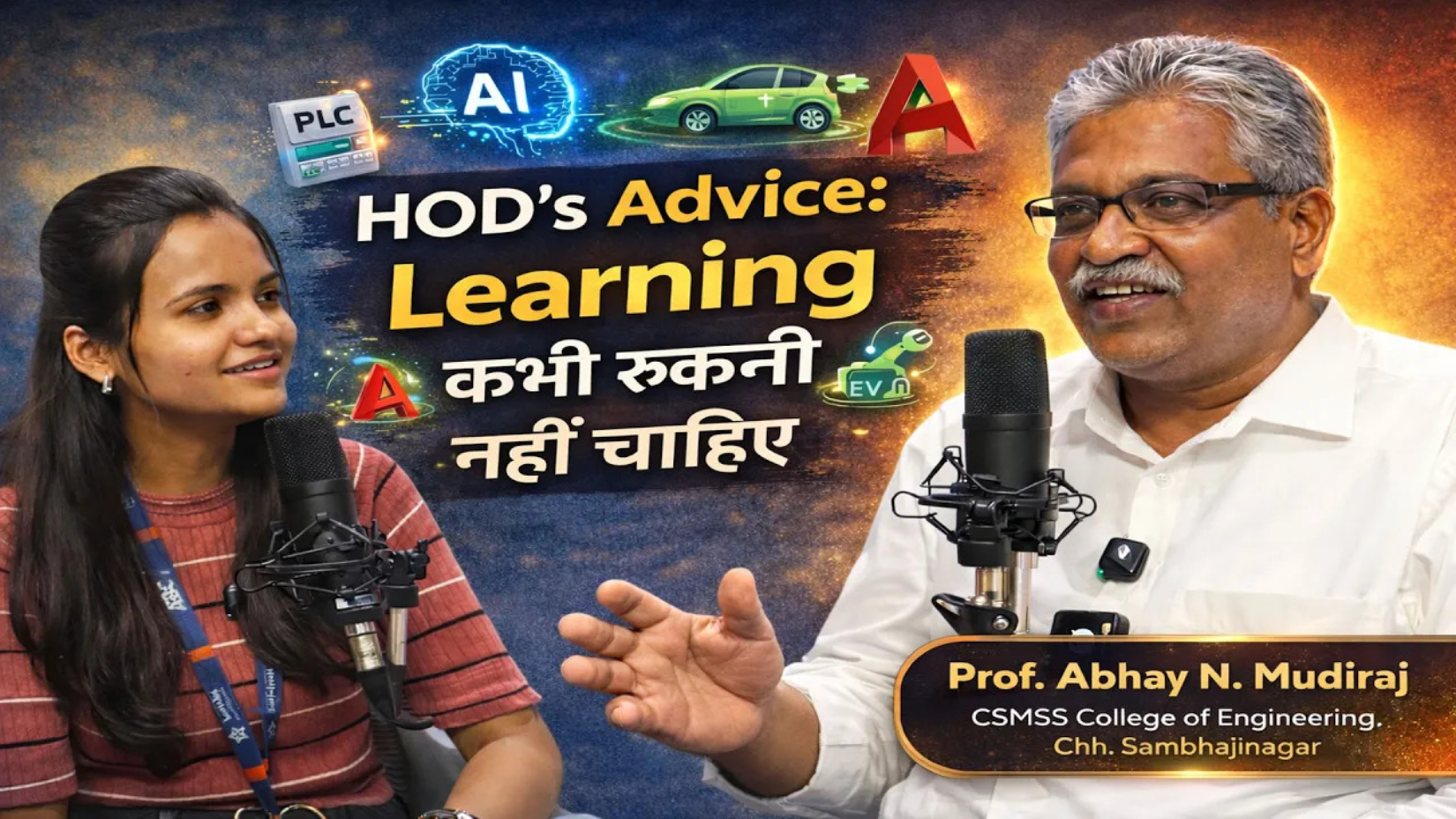
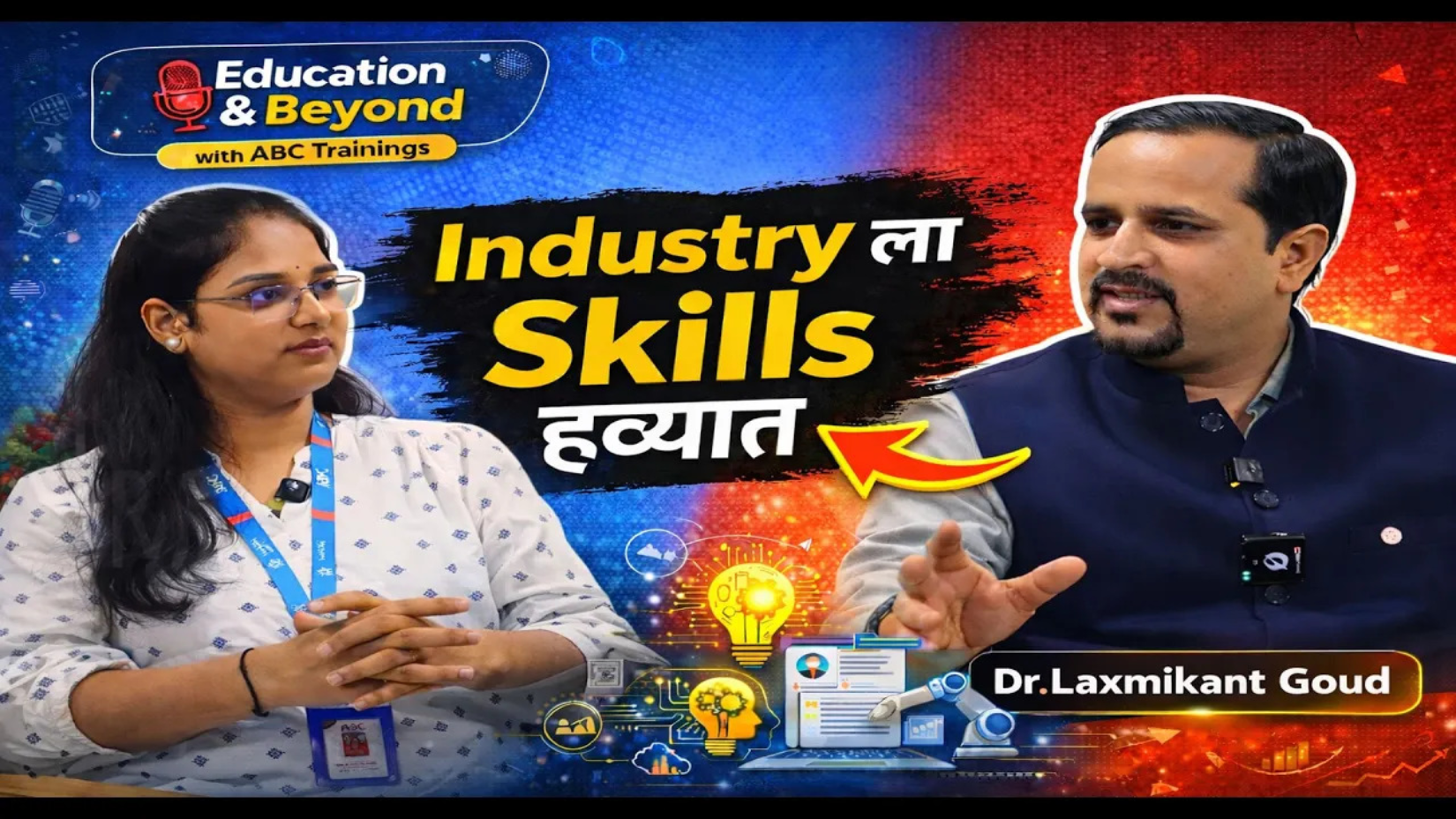
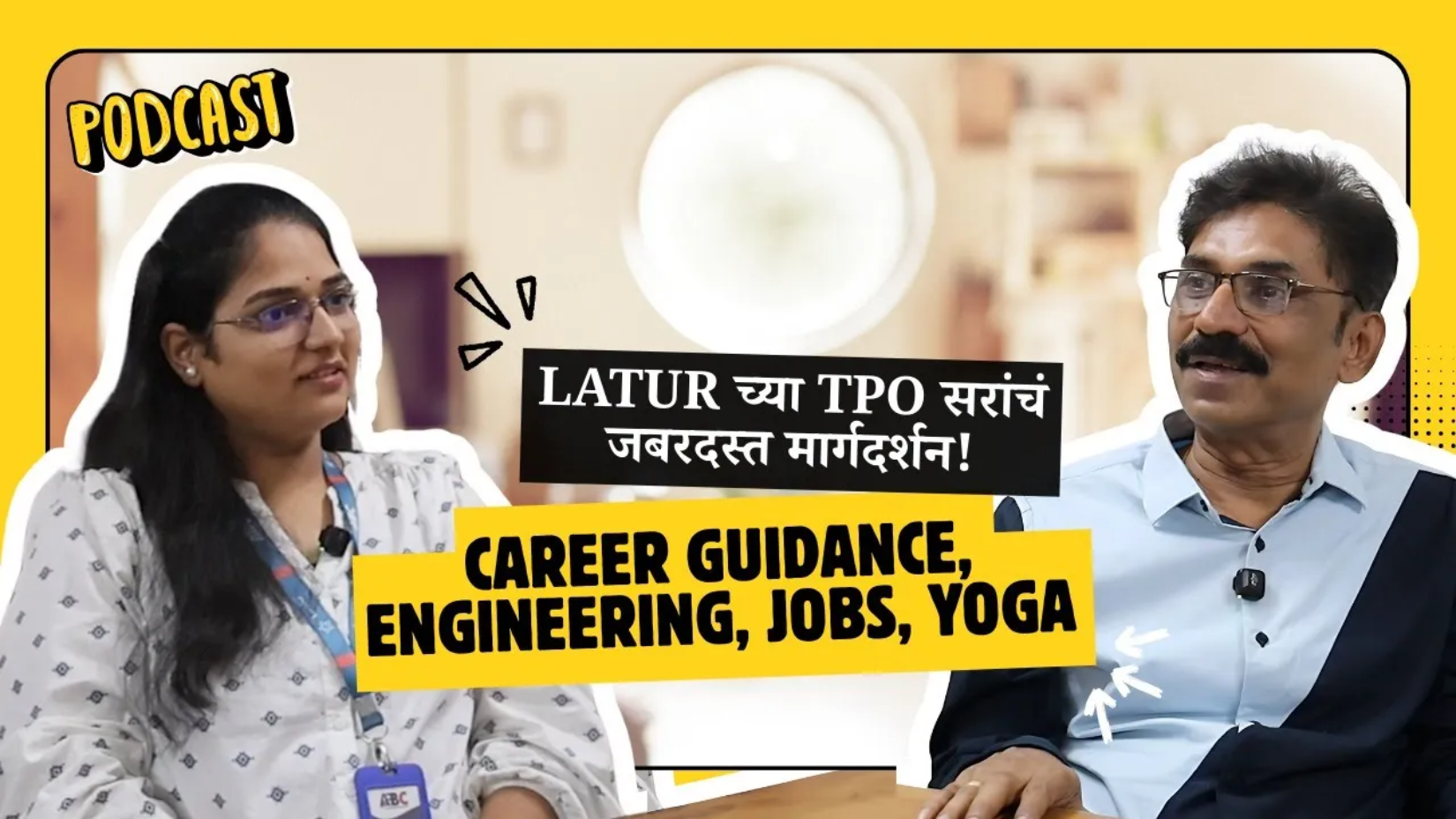
In this comprehensive guide based on "Education and Beyond with ABC Trainings," we'll share insights from an educator with 35 years of experience transforming students into successful professionals. These proven strategies have helped thousands of students across Maharashtra—from Pune to Sangli, Latur to Chh. Sambhajinagar—build rewarding engineering careers.
Why Most Engineering Students Struggle (And How to Avoid It)
Here's a truth that might surprise you: when students enter engineering colleges, they all have similar intelligence levels. After all, everyone cleared entrance exams and performed well in their 12th standard. So why do some students excel while others struggle?
The answer isn't intelligence—it's skills.
Most students who face academic challenges in their first and second years lack two critical skills:
1. Time Management: Knowing how to allocate time across questions during a three-hour exam, understanding which questions to answer first, and managing pace throughout the paper.
2. Writing Proficiency: Understanding what to write, how much detail to provide, and how to structure answers that earn maximum marks.
These aren't innate talents—they're learnable skills. Once students master them, failure rates drop dramatically. By third and final year, when these skills are fully developed, most students succeed academically.
The ABC Trainings Advantage: Our training programs don't just teach technical content—we help you develop these critical exam and presentation skills that engineering colleges often overlook. Whether you're learning AutoCAD in Pune or Revit in Latur, our instructors ensure you can demonstrate your knowledge effectively.
The "काबिल बनो" (Become Capable) Philosophy
One of the most powerful career principles comes from the movie "3 Idiots": "सक्सेस के पीछे मत भागो, काबिल बनो" (Don't chase success; become capable, and success will chase you).
This isn't motivational rhetoric—it's a career strategy that works.
Instead of obsessing over placement percentages or salary packages, focus on building genuine capabilities:
Deep Technical Knowledge: Master your core engineering subjects. Whether it's structural analysis for civil engineers or programming for computer science students, develop expertise that goes beyond surface-level understanding.
Industry-Relevant Software Skills: Companies don't just want theoretical knowledge—they need professionals who can use industry-standard tools. AutoCAD, Revit, STAAD Pro, ETABS, CATIA, SolidWorks—these aren't optional extras; they're career essentials.
Problem-Solving Abilities: Engineering is fundamentally about solving problems. Develop analytical thinking, creative approaches, and systematic methodologies for tackling challenges.
Communication Skills: Technical brilliance means little if you can't explain your ideas clearly. Work on presentation skills, report writing, and professional communication.
Adaptability: Technology evolves rapidly. The ability to learn new tools, adapt to changing requirements, and continuously upgrade your skills determines long-term career success.
Ready to become "काबिल"? ABC Trainings offers comprehensive courses in civil, mechanical, electrical, and software engineering skills across our Pune, Sangli, Latur, and Chh. Sambhajinagar centers. Our industry-experienced trainers ensure you develop capabilities that companies actively seek.
Setting Career Goals: The Second-Year Strategy
Many students drift through engineering without clear direction. Here's a proven approach used successfully with thousands of students:
By your second year, decide your post-graduation goal. You have several options:
Higher Education: M.Tech, MS abroad, or MBA programs Private Sector Employment: Jobs with engineering companies, IT firms, or consultancies
Government Positions: Through MPSC, UPSC, or other competitive exams International Opportunities: Studying or working abroad
Once you've identified your goal, create a three-year preparation plan with specific milestones.
Example 1: Targeting a Specific Company
Research the company's recruitment process
Identify required skills (software proficiencies, certifications, etc.)
Obtain previous interview questions if available
Practice aptitude tests and technical assessments
Develop a portfolio demonstrating relevant projects
Example 2: Planning for Higher Education
Understand entrance exam requirements (GATE for M.Tech, GRE for MS abroad)
Create a study schedule covering all topics
Take mock tests regularly
Build a strong academic record
Identify potential guides or research areas of interest
The critical principle: You can't practice cricket effectively without stumps to aim at. Similarly, you can't prepare for success without a clear target.
ABC Trainings supports your goals with specialized training programs. Whether you're preparing for software company placements or need civil engineering software skills for construction careers, our courses align with your specific objectives. Contact our counselors in Pune, Sangli, Latur, or Chh. Sambhajinagar to discuss your personalized learning path.
Understanding Technology: AI, Software Skills, and Your Career
"Will AI take my job?" This question worries many engineering students. Here's the reality: AI won't take your job, but someone who knows AI might.
Technology has always created more opportunities than it eliminated:
When ATMs arrived, people feared banking jobs would disappear—instead, the banking sector expanded
When railways came, concerns about job losses proved unfounded—railways created massive employment
When mobile phones emerged, new industries and careers materialized
AI follows the same pattern. The key is adapting and learning.
What This Means for Your Career:
Embrace Technology: Don't resist new tools or platforms. Learn AutoCAD, then learn Revit. Master STAAD Pro, then explore newer analysis software. Stay current.
Develop Fundamentals: While specific technologies change, core engineering principles remain constant. Strong fundamentals help you learn any new tool quickly.
Combine Technical and Human Skills: AI handles data and calculations brilliantly, but human judgment, creativity, ethical decision-making, and contextual understanding remain irreplaceable.
Practice Continuous Learning: Adopt a "learn, forget, relearn" mindset. Skills that took ten years to become obsolete previously might change in just one year now.
ABC Trainings keeps you ahead of technology curves. Our courses cover the latest software versions and industry-standard tools. From traditional CAD to advanced BIM workflows, from basic programming to emerging technologies—we ensure you're prepared for today's industry and tomorrow's innovations.
Choosing the Right Training: What Actually Matters
When selecting engineering training or skill development programs, students often focus on the wrong factors. Here's what actually determines whether training transforms your career:
Faculty Experience Matters Most: Instructors with extensive industry experience and teaching tenure provide insights textbooks can't offer. They know not just the "what" but the "why" and "how" of practical engineering.
Hands-On Practice is Essential: Engineering skills develop through practice, not passive watching. Training with extensive lab time, real projects, and practical assignments creates competence.
Industry-Standard Tools: Learning outdated software versions or non-industry-standard tools wastes time. Ensure training uses current versions of software that companies actually employ.
Structured Curriculum: Random topic coverage leads to scattered knowledge. Systematic, progressive curricula that build from fundamentals to advanced applications create solid expertise.
Career Support: Training shouldn't end when courses finish. Institutions offering placement assistance, resume building, interview preparation, and ongoing guidance provide greater value.
Accessibility and Support: Can you reach instructors when doubts arise? Is support available beyond class hours? Responsive, accessible training makes learning more effective.
ABC Trainings excels in all these areas:
✅ Experienced Faculty: Industry professionals and certified trainers with years of teaching experience
✅ Comprehensive Labs: Well-equipped computer labs with latest software across Pune, Sangli, Latur, and Chh. Sambhajinagar
✅ Current Software: Latest versions of AutoCAD, Revit, STAAD Pro, CATIA, SolidWorks, and more
✅ Structured Programs: Carefully designed curricula progressing logically from basics to advanced applications
✅ Career Assistance: Placement support, interview preparation, and career counseling included
✅ Student Support: Accessible instructors, doubt-clearing sessions, and ongoing guidance throughout your learning journey
The Failure Recovery Framework: Turning Setbacks into Success
Academic setbacks happen to many students, especially in first and second year. Here's how to recover and succeed:
Understand What Went Wrong: Failed exams usually indicate skill gaps (time management, writing proficiency, exam strategy) rather than intelligence deficits. Identify the specific skills you need to develop.
Seek Targeted Help: Generic study harder advice doesn't work. Get specific guidance on your weak areas from experienced mentors who understand engineering education.
Practice Strategically: Solve previous year questions, take mock tests, practice writing complete answers within time limits. Simulate exam conditions regularly.
Develop Confidence Through Mastery: Superficial knowledge creates anxiety. Deep understanding builds confidence. Take time to truly master concepts rather than memorizing formulas.
Learn from Others' Success: Talk to seniors who've succeeded in subjects you're struggling with. Understand their study methods, time allocation, and approach.
Most importantly, remember: failure in early years is normal and temporary. The skills you need are learnable, and with proper guidance, virtually every student can succeed academically.
If you're struggling with engineering software or technical skills, ABC Trainings provides the structured guidance and practice you need. Our instructors have helped thousands of students across Maharashtra overcome learning challenges and build strong technical foundations. Join upcoming batches in Pune, Sangli, Latur, or Chh. Sambhajinagar.
Beyond Academics: Skills That Actually Get You Hired
Companies don't just hire based on degree certificates—they hire based on demonstrated capabilities. Here's what recruiters actually look for:
Software Proficiency: For civil engineers, that means AutoCAD, Revit, STAAD Pro. For mechanical engineers: CATIA, SolidWorks, ANSYS. For electrical engineers: ETAP, AutoCAD Electrical. For IT students: programming languages, database management, web technologies.
Project Experience: Can you show actual work you've done? Real projects—even academic ones—demonstrate applied knowledge better than exam scores.
Problem-Solving Approach: During interviews, companies assess how you think through challenges. Structured thinking, logical analysis, and creative solutions impress recruiters.
Communication Clarity: Can you explain technical concepts clearly? Do you present ideas professionally? Communication skills often determine who gets selected among equally qualified candidates.
Learning Agility: Companies value candidates who learn quickly and adapt to new situations. Demonstrated ability to pick up new skills fast signals future performance.
Professionalism: Punctuality, responsibility, work ethic, team collaboration—these soft skills matter as much as technical expertise.
ABC Trainings develops the complete professional package:
🎯 Industry-Standard Software Training: Master tools companies actually use
🎯 Real Project Experience: Work on practical projects during training
🎯 Communication Development: Presentation skills and technical communication included
🎯 Interview Preparation: Mock interviews, resume building, professional grooming
🎯 Certification Support: Help obtaining industry-recognized certifications
🎯 Career Counseling: Personalized guidance on career paths and opportunities
The Smart Technology Usage Framework
Technology offers tremendous benefits but also potential pitfalls. Here's a balanced approach:
Use for Learning: Leverage computers, laptops, and smartphones for educational purposes without hesitation. Access online tutorials, watch demonstrations, practice software skills—these tools accelerate learning.
Social Media Balance: As the saying goes, "जेवढं सोशल तेवढंच वापरा" (Use social media only to the extent it remains social). Share appropriately, but remember: once posted, you lose control over content.
Prioritize Direct Learning: While online resources supplement education, they don't replace direct instruction from experienced teachers. Classroom learning offers real-time interaction, immediate doubt clarification, and personalized feedback that recorded videos can't match.
Practice Digital Wellness: Balance screen time with physical activity, maintain sleep schedules, protect eye health, and avoid technology addiction.
ABC Trainings combines the best of both worlds: In-person instruction from expert trainers plus access to supplementary online resources, recorded sessions for revision, and digital materials for continued learning. You get technology benefits without sacrificing the irreplaceable value of direct mentorship.
Government Initiatives: Free Training Opportunities You Should Know
Many students don't realize that government programs offer free skill development training through initiatives like:
Mahajyoti (Mahatma Jyotiba Phule Vikas Mahamandal)
AMRUT (Advanced Manufacturing and Upskilling in Technology)
Acharya Chanakya Kaushalya Vikas Kendra
Mukhyamantri Yuva Karya Prashikshan Yojana
These programs provide:
Free training in industry-relevant skills
Stipends while you learn
Work experience opportunities
Certificates recognized by employers
No cost to students
Educational institutions collaborating with these programs offer students tremendous advantages. Ask potential training providers about their government program partnerships.
ABC Trainings actively participates in government skill development initiatives, helping students access these opportunities while providing additional training that complements government programs. Contact us to learn about current programs available in Pune, Sangli, Latur, and Chh. Sambhajinagar.
Taking the First Step: Your Action Plan
Reading about career success is one thing—taking action is another. Here's your practical next step plan:
Step 1: Assess Your Current Position
Which year of engineering are you in?
What are your career goals (decided or undecided)?
Which technical skills do you currently have?
What's your biggest challenge right now?
Step 2: Identify Your Skill Gaps
Which software skills does your target career require?
What certifications would strengthen your profile?
Which subjects or topics need reinforcement?
What soft skills need development?
Step 3: Create a Learning Timeline
How much time before you graduate?
When should you complete specific certifications?
What's a realistic schedule for skill development?
How will you balance academics and skill training?
Step 4: Choose Your Training Partner
Research training institutes thoroughly
Talk to alumni about their experiences
Visit facilities and meet instructors
Compare curriculum, support, and outcomes
Step 5: Commit and Begin
Enroll in appropriate courses
Attend consistently and practice regularly
Seek help when you need it
Track your progress systematically
ABC Trainings makes Step 4 easy: Visit any of our centers in Pune, Sangli, Latur, or Chh. Sambhajinagar for free career counseling. Our experienced counselors will help you identify the right courses, create realistic timelines, and plan your skill development journey. No pressure, no obligations—just honest guidance to help you succeed.
Success Stories: What's Possible With Proper Training
While specific student names and company details remain confidential, the transformation patterns are consistent:
Students who complete comprehensive training in industry-standard software consistently report:
Increased confidence during campus placements
Better performance in technical interviews
Higher starting salaries compared to peers
Faster career progression in early years
Greater job satisfaction from being well-prepared
The difference between struggling and thriving often comes down to having the right skills at the right time. Companies hire candidates who can contribute from day one—training makes you that candidate.
Why ABC Trainings? What Makes Us Different
12+ Years of Excellence: Over a decade of experience training engineering students and professionals across Maharashtra
Multiple Locations: Convenient centers in Pune, Sangli, Latur, and Chh. Sambhajinagar serving students throughout the region
Industry-Experienced Faculty: Trainers with real-world engineering experience who understand what companies actually need
Comprehensive Curricula: Structured programs covering everything from basics to advanced applications
Hands-On Focus: Extensive lab practice with latest software versions on well-equipped computers
Flexible Batches: Weekend, weekday, and fast-track options to fit your schedule
Career Support: Placement assistance, interview preparation, and ongoing career guidance
Proven Track Record: Thousands of successful students now working across India and internationally
Student-Centric Approach: Every decision we make prioritizes your learning and career success
Affordable Investment: Quality training at reasonable fees with flexible payment options
Your Engineering Career Starts With a Choice
You're at a critical decision point. You can continue hoping things work out, relying solely on college education, and facing an uncertain job market—or you can take control of your career by investing in the skills companies actually want.
The students who succeed aren't necessarily the most intelligent—they're the ones who recognize skill gaps early and address them systematically. They're the ones who understand that capability attracts opportunity. They're the ones who partner with training providers that genuinely care about student success.
The choice is yours. The opportunity is now.
Every batch that starts is one more opportunity taken by students like you—students who decided that adequate preparation beats uncertain hoping. Students who chose to become "काबिल" (capable) rather than just qualified on paper.
Start Your Transformation Today
Don't wait for the perfect time—create the perfect preparation.
Contact ABC Trainings today for:
✅ Free career counseling session
✅ Course curriculum and fee details
✅ Upcoming batch schedules
✅ Facility tour and faculty interaction
✅ Personalized learning pathway recommendation
Our centers are ready to welcome you:
📍 Pune | 📍 Sangli | 📍 Latur | 📍 Chh. Sambhajinagar
Watch the full podcast on ABC Trainings' official YouTube channel: https://youtu.be/jMhInayeBKU
Ready to transform your career with industry-relevant training?
Contact us today:
📞 Call: +91 8698270088
🌐 Visit: https://abctrainings.in/
Limited seats available in upcoming batches. Enroll now to secure your spot!
This article is based on the 'Education and Beyond with ABC Trainings' podcast series, where we explore the intersection of education, industry, and personal growth.
Copyright © 2025 ABCTrainings - All rights reserved